The field of robotics has taken a revolutionary leap forward with the emergence of autonomous platforms capable of designing proteins. These robotic scientists, powered by advanced artificial intelligence and machine learning algorithms, are reshaping the landscape of biochemical research. By combining computational design with automated laboratory workflows, these systems promise to accelerate discoveries in medicine, materials science, and biotechnology at an unprecedented pace.
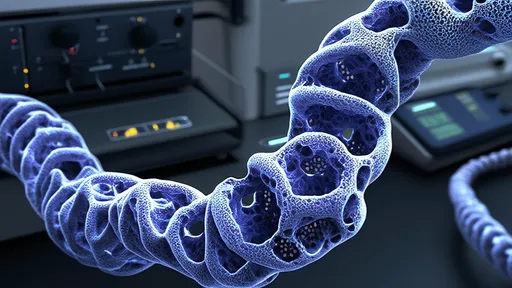
At the core of this breakthrough lies the integration of two powerful technologies: AI-driven protein modeling and robotic laboratory automation. Traditional protein design has been a painstakingly slow process requiring extensive trial-and-error experimentation. The new generation of robotic scientists can propose novel protein structures, predict their properties, and physically test these molecules in fully automated laboratories—all without human intervention. This closed-loop system continuously learns from experimental results, refining its models and improving subsequent designs.
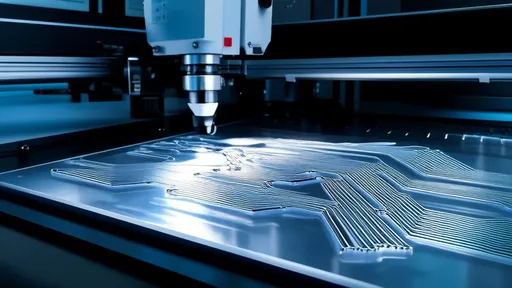
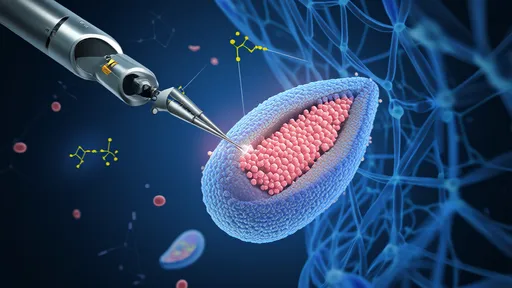
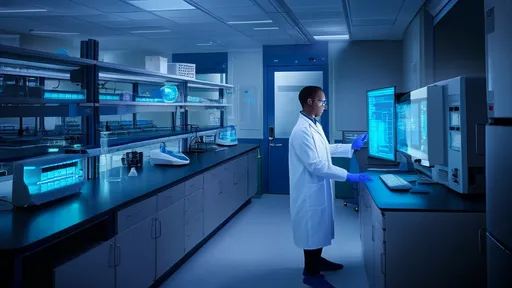
What makes these platforms truly remarkable is their ability to explore regions of protein space that human researchers might never consider. The AI components can generate thousands of potential protein configurations, evaluating each for stability, function, and manufacturability. Meanwhile, the robotic arms and automated instruments handle the tedious laboratory work—mixing solutions, growing protein crystals, and running analytical tests—with precision and consistency far exceeding human capabilities.
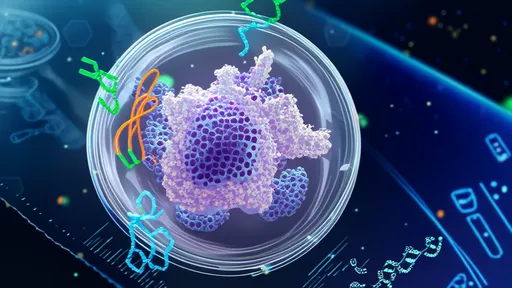
The implications for drug discovery are particularly profound. These systems can design therapeutic proteins targeting specific disease mechanisms while optimizing for factors like reduced immunogenicity and improved pharmacokinetics. During the COVID-19 pandemic, similar technology demonstrated its potential by helping design protein-based therapeutics and vaccines in record time. Now, the platforms are being adapted to tackle cancer treatments, rare disease therapies, and next-generation biologics.
Beyond medicine, autonomous protein design platforms are making waves in industrial biotechnology. Enzymes for biofuel production, biodegradable plastics, and sustainable chemical processes can all be optimized or created from scratch. One notable success involved designing a novel enzyme that breaks down PET plastics, offering a potential solution to the global plastic waste crisis. The robot scientist accomplished in weeks what might have taken human researchers years to achieve.
Ethical considerations naturally accompany such powerful technology. The ability to design proteins—and by extension, potentially dangerous biological agents—raises important questions about oversight and control. Leading research institutions implementing these systems have established strict governance protocols, including multiple layers of review for proposed experiments and built-in safeguards against harmful applications. Most platforms operate in secure facilities with limited external access and comprehensive monitoring systems.
The architecture of these robotic systems typically involves several interconnected components. A cloud-based AI handles the computational design work, drawing from massive databases of known protein structures and biochemical properties. This connects to physical robotics in wet labs that can perform a wide range of experiments—from bacterial protein expression to sophisticated analytical techniques like mass spectrometry and X-ray crystallography. The entire process, from initial design to final validation, can occur in a matter of days rather than months.
One unexpected advantage has been the systems' ability to document every step of the research process with perfect fidelity. Unlike human researchers who might forget to record minor experimental details, the robotic platforms generate comprehensive, searchable records of every procedure, measurement, and observation. This not only improves reproducibility but creates rich datasets that further enhance the AI's learning capabilities.
As the technology matures, researchers anticipate these platforms will become standard tools in both academic and industrial settings. Current limitations include the high initial costs of setting up automated laboratories and the need for specialized maintenance personnel. However, as with most technologies, costs are expected to decrease as the systems become more widespread and standardized.
The next frontier for robotic protein scientists involves expanding beyond single-protein design to complete biological pathways and synthetic organisms. Some research groups are already working on systems that can design and assemble multiple interacting proteins to create novel metabolic pathways or signaling systems. This could lead to breakthroughs in areas like carbon fixation, nitrogen fixation, and other processes critical to addressing global challenges in food security and climate change.
Perhaps most exciting is how these platforms democratize cutting-edge research. While the initial investment is substantial, once established, robotic scientists can operate around the clock, potentially giving smaller institutions and developing nations access to research capabilities that were previously only available to well-funded organizations. Cloud-based interfaces allow researchers worldwide to submit protein design challenges, with the physical experimentation handled by centralized automated facilities.
The emergence of autonomous protein design platforms represents more than just another laboratory automation tool—it signals a fundamental shift in how scientific discovery occurs. By combining the creative potential of AI with the precision of robotics, these systems are opening new frontiers in molecular design that could transform medicine, industry, and our approach to global challenges. As the technology continues to evolve, we may be witnessing the dawn of a new era in scientific research—one where human ingenuity is amplified by tireless, precision robotic partners.
By /Jul 18, 2025

By /Jul 18, 2025
By /Jul 18, 2025
By /Jul 18, 2025
By /Jul 18, 2025

By /Jul 18, 2025
By /Jul 18, 2025
By /Jul 18, 2025
By /Jul 18, 2025
By /Jul 18, 2025
By /Jul 18, 2025

By /Jul 18, 2025

By /Jul 18, 2025
By /Jul 18, 2025
By /Jul 18, 2025

By /Jul 18, 2025

By /Jul 18, 2025
By /Jul 18, 2025
By /Jul 18, 2025
By /Jul 18, 2025